
Whistler Valley
Whistler Mountain, Whistler
British Columbia, Canada
iPhone 4
September 14, 2013
British Columbia, Canada
iPhone 4
September 14, 2013
Just enjoying the view this morning from the peak of Whistler Mountain.
Just enjoying the view this morning from the peak of Whistler Mountain.
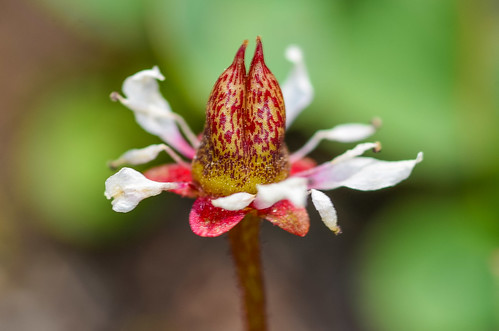
Here we have a delightful little Saxifrage from the alpine trails surrounding Artist Point in Washington. You have to really get down on your hands and knees to appreciate this plant as it is at most 8 cm tall with leaves between 3-10 mm. The flowers are attractive but not nearly as stunning as the purple mottling on these twin capsules (fruit).

Philomachus pugnax, Scolopacidae
George C. Reifel Migratory Bird Sanctuary, Delta, British Columbia, Canada
Nikon D5100, 70-300 mm f/4.5-5.6
August 31, 2014
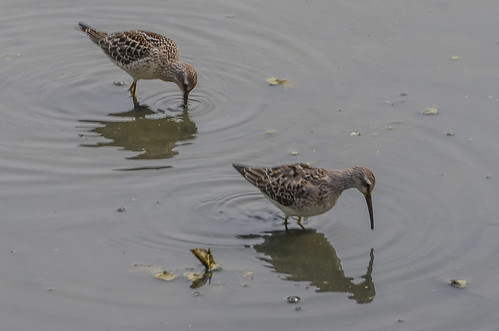
Calidris himantopus, Scolopacidae
George C. Reifel Migratory Bird Sanctuary, Delta, British Columbia, Canada
Nikon D5100, 70-300 mm f/4.5-5.6
August 31, 2014
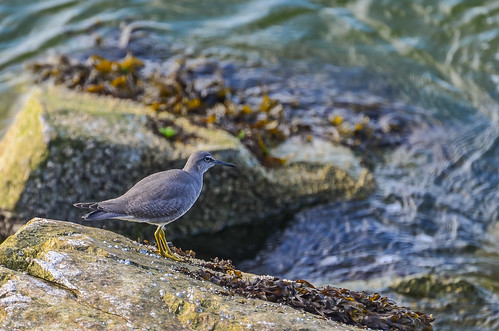
Tringa incana, Scolopacidae
Iona Beach Regional Park, Richmond, British Columbia, Canada
Nikon D5100, 70-300 mm f/4.5-5.6
August 31, 2014
I was out birding today trying to catch as many fall migrants as possible. I was lucky enough to see both the Juvenile Ruff (Lifer!) and the Stilt Sandpipers in the West Pond at Reifel. Continuing my lucky streak, I just happened to check my email while at Iona and catch a bird alert about a Wandering Tattler (Lifer!) on the south jetty. With the help of some other birders, the bird was located near the end of the jetty (#242).

Enallagma sp., Coenagrionidae
Ferry Point Landing, Alberta, Canada
Nikon D5100, 105 mm f/2.8
June 21, 2014
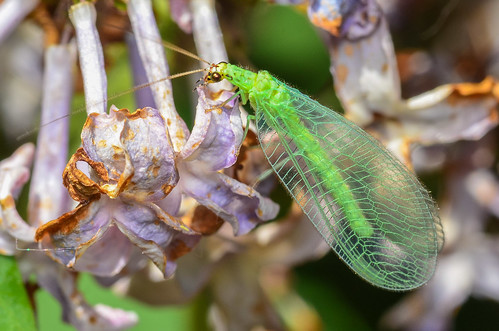
Chrysopa oculata, Chrysopidae
Ferry Point Landing, Alberta, Canada
Nikon D5100, 105 mm f/2.8
June 21, 2014

Ochlerotatus dorsalis, Culicidae
Ferry Point Landing, Alberta, Canada
Nikon D5100, 105 mm f/2.8
June 21, 2014
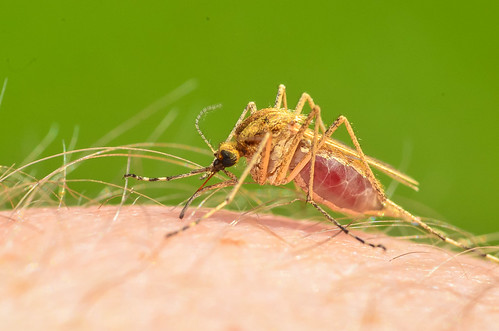
Ochlerotatus dorsalis, Culicidae
Ferry Point Landing, Alberta, Canada
Nikon D5100, 105 mm f/2.8
June 21, 2014

Carterocephalus palaemon, Hesperiidae
Ferry Point Landing, Alberta, Canada
Nikon D5100, 105 mm f/2.8
June 21, 2014
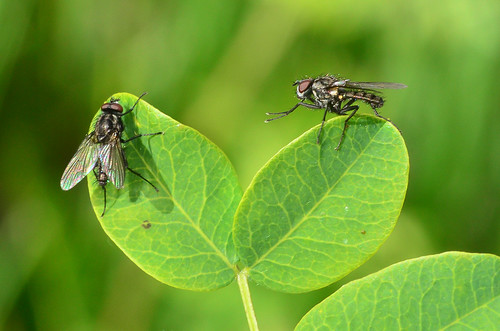
Root Maggot Flies (I think) - ♂
Ferry Point Landing, Alberta, Canada
Nikon D5100, 105 mm f/2.8
June 21, 2014
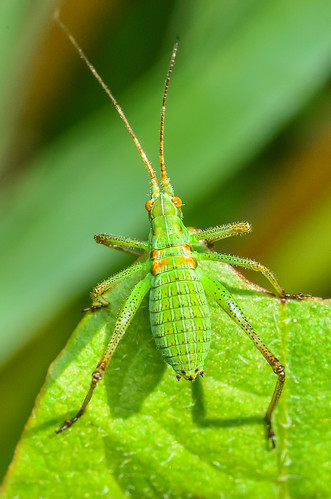
Scudderia sp., Tettigoniidae
Ferry Point Landing, Alberta, Canada
Nikon D5100, 105 mm f/2.8
June 21, 2014

Cosmopepla lintneriana, Pentatomidae
Ferry Point Landing, Alberta, Canada
Nikon D5100, 105 mm f/2.8
June 21, 2014
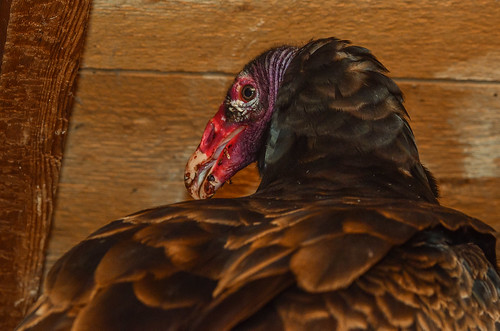
Cathartes aura, Cathartidae
Ferry Point Landing, Alberta, Canada
Nikon D5100, 105 mm f/2.8
June 21, 2014

Newly Hatched Turkey Vulture Chick
Cathartes aura, Cathartidae
Ferry Point Landing, Alberta, Canada
Nikon D5100, 105 mm f/2.8
June 21, 2014
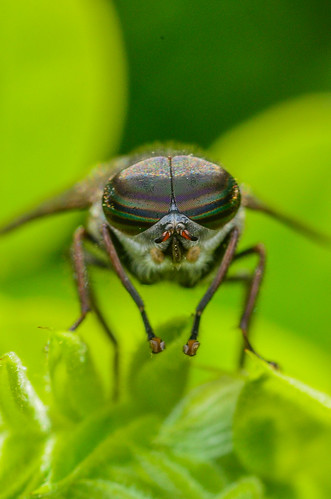
Hybomitra sp., Tabanidae
Ferry Point Landing, Alberta, Canada
Nikon D5100, 105 mm f/2.8
June 21, 2014
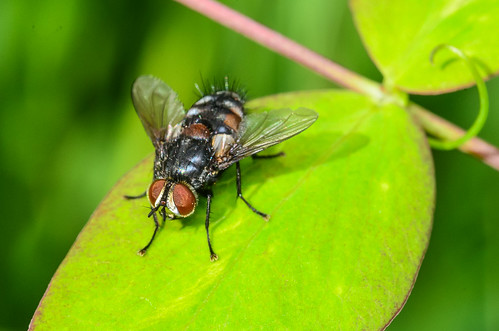
Winthemia sp., Tachinidae
Ferry Point Landing, Alberta, Canada
Nikon D5100, 105 mm f/2.8
June 21, 2014

Pyractomena borealis, Lampyridae
Ferry Point Landing, Alberta, Canada
Nikon D5100, 105 mm f/2.8
June 21, 2014

Pyractomena borealis, Lampyridae
Ferry Point Landing, Alberta, Canada
Nikon D5100, 105 mm f/2.8
June 21, 2014

Lygus sp., Miridae
Ferry Point Landing, Alberta, Canada
Nikon D5100, 105 mm f/2.8
June 22, 2014

Allium textile, Amaryllidaceae
Ferry Point Landing, Alberta, Canada
Nikon D5100, 105 mm f/2.8
June 22, 2014

Koeleria macrantha, Aveneae
Ferry Point Landing, Alberta, Canada
Nikon D5100, 105 mm f/2.8
June 22, 2014
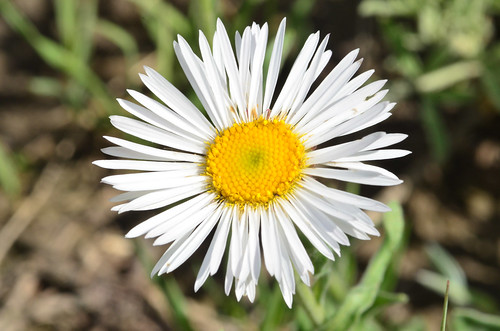
Erigeron caespitosus, Asteraceae
Ferry Point Landing, Alberta, Canada
Nikon D5100, 105 mm f/2.8
June 22, 2014
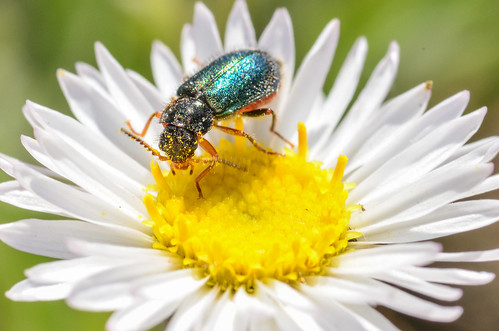
Collops hirtellus, sp., Melyridae
Ferry Point Landing, Alberta, Canada
Nikon D5100, 105 mm f/2.8
June 22, 2014

Xanthoria elegans, Teloschistaceae
Ferry Point Landing, Alberta, Canada
Nikon D5100, 105 mm f/2.8
June 22, 2014

Chlorochroa sp., Pentatomidae
Ferry Point Landing, Alberta, Canada
Nikon D5100, 105 mm f/2.8
June 22, 2014

Melanoplus sp., Acrididae
Ferry Point Landing, Alberta, Canada
Nikon D5100, 105 mm f/2.8
June 22, 2014
Well, soon turned into a long time but here are my field notes from my not so recent trip to Ferry Point in the Battle River badlands. While it was my first trip out there, it seems the central Alberta naturalists have been gathering there for several years now. It provides a little taste of southern Alberta tucked into the fields of central Alberta.
I joined up with the other naturalist at around noon for a survey of the local prairie potholes. We saw a good variety a ducks, especially by summer Vancouver standards, including some courting Ruddy Ducks and some backlit Red Heads. After the pond birding we made a quick stop at a farm yard to check out the local colony of Purple Martins. Our next stop was an abandoned farm yard where we were lucky enough to have Wayne Nelson from Fish and Wildlife take us in small groups through an old farm house to see a nesting Turkey Vulture and her newly hatched chick. I also was able to get some good macro shots as I waited to see the Turkey Vulture. In addition to birding my Dad also celebrated his 60th birthday so there was of course some birthday cake to be enjoyed. After dinner we were also lucky enough to spot a family of Great Horned Owls near the campground. That evening we treated to a display from the local fireflies with one even lighting up in the palm of my hand.
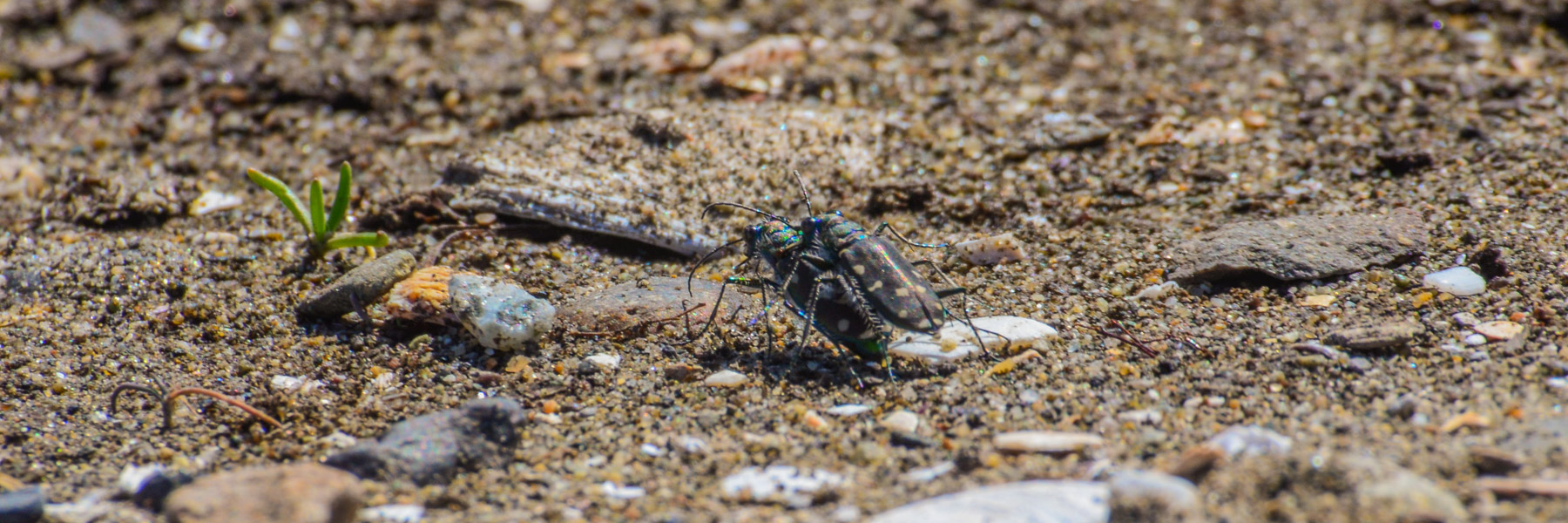
The next day we stayed closer to the campground and did some botanizing on the adjoining property with some great badland topography. While we were heading out to botanize the birds conspired to hold most of my attention. I think the highlight may have been when we had 5 Turkey Vultures soaring just above our group at low altitude. I was also surprised to see a group of Lark Sparrows, which I have always thought of as a strictly Southern Alberta bird. There was also lots of great insect life out, including a bunch of Tiger Beetles who eluded me and my young assistants.
It was a productive birding weekend for me with 17 new species for my year list, including lots of east of the Rockies species like Swainson’s Hawk, Clay-colored Sparrow and Baltimore Oriole. I don’t think I’ve ever been so pleased to add American Crow and Black-billed Magpie to my list before. Over the two days I ended up with 60 different bird species either seen or heard. You can see the full list by checking out the KMZ file below.

This weeks photo is of a great (can be more than 2 meters tall) eurasian weed common on BC’s roadsides. Great Mullein is not normally an aggressive weed since it is one of the first colonists of disturbed soil and does not tolerate shading by other plants. Its fruiting spike is persistent and seems to be a favorite purchasing spot for sagebrush birds like Brewer’s Sparrows, and Say’s Phoebes. It has a rich history of use by humans and had a historical association with witches. Herbal teas made from the leaves were often used as a remedy for cough and other pulmonary ailments. Perhaps the coolest use was the practice of dipping the dried spike of the plant in tallow for use as a torch.
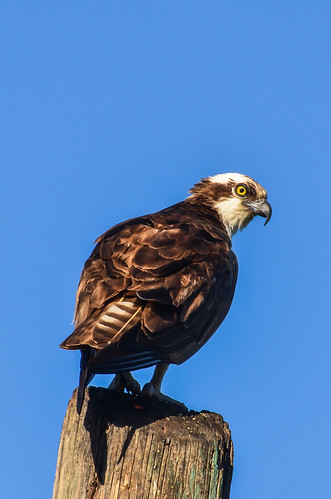
This weeks photo is a nesting Osprey from Road 22, north of Osoyoos. Road 22 is one of the best birding spots in all of BC and is definitely worth a spot if you are ever out that way. This particular Osprey had the good sense not to build her nest on a busy road bridge unlike some other Osprey.

This week we have another post from E. C. Manning Provincial Park. This one from further down (or up if we are talking elevation) the road to Cascade Lookout in the subalpine meadows on top of Blackwall Peak. This butterfly is a checkerspot and a member of the beautifully patterned but tricky to ID genus Euphydryas. Often examination of the male genitalia is necessary to confirm the species ID.
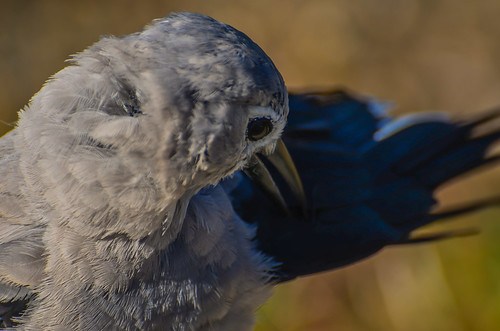
Last weekend Sara and I stopped in Manning Park on our way to Osoyoos. These Nutcrackers have the public well trained with many groups of tourists providing a diverse buffet for their dining pleasure. This particular Nutcracker only departed when he had completely filled his crop with almonds, even grabbing a last almond in his beak for good measure.
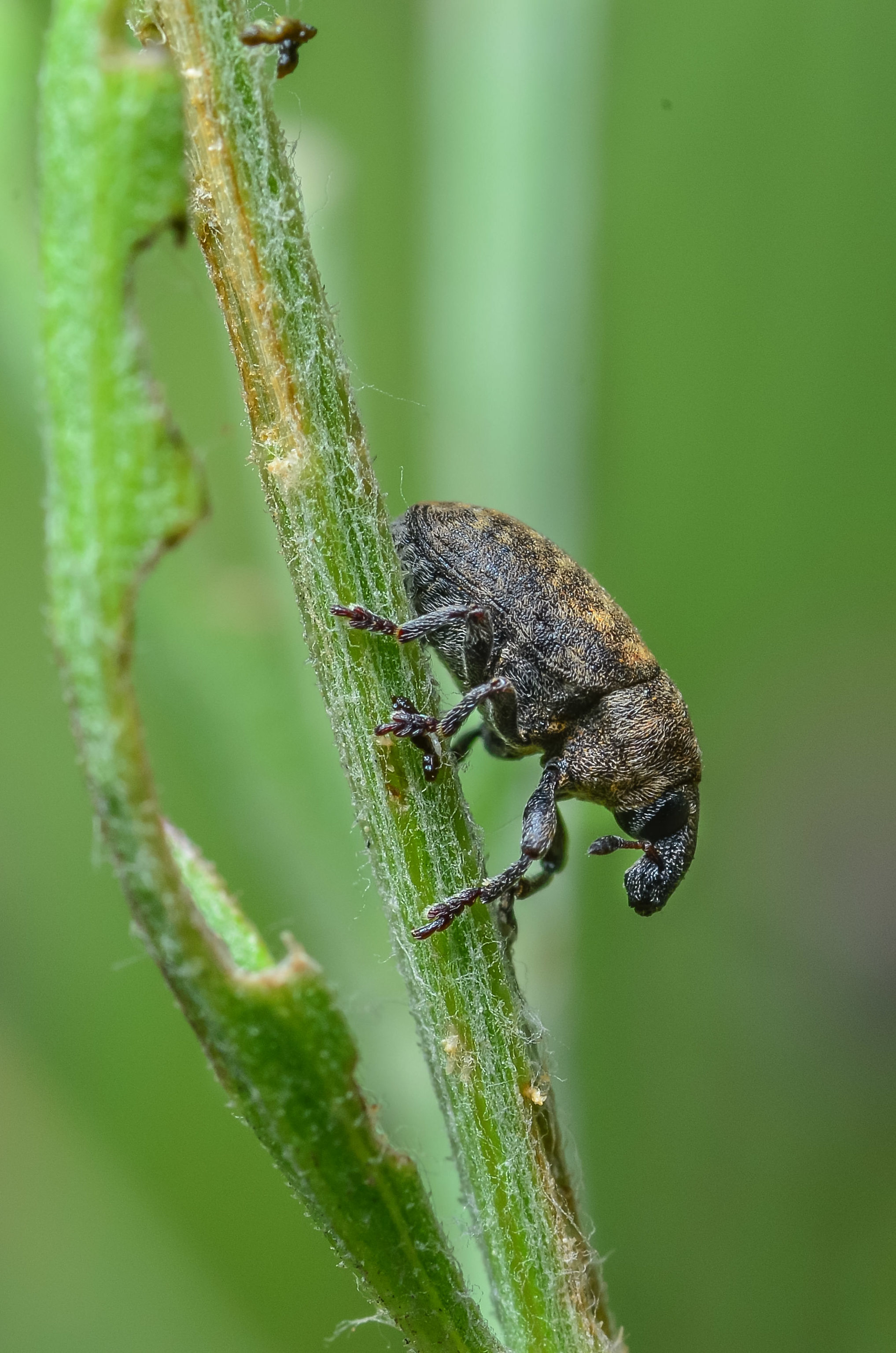
This week we have another photo (mouse over for a dorsal view) from my recent family trip to the Okanogan. My Dad has a keen interest in weeds both as an active member of the naturalist community in Alberta and more recently in his capacity in his summer job as a weed control technician. He quite upset by the weedy state of the Okanogan. I was able to offer him some comfort by telling him that the Spotted Knapweed was being controlled somewhat by biocontrol agents like this Knapweed Seedhead Weevil. Knapweed is controlled by a suite of biocontrol agents which includes two similar and closely related weevils whose larvae feed on the seeds of Knapweeed. These two seedhead weevils are Larinus obtusus and L. minutus and their preferred hosts are Spotted Knapweed and Diffuse Knapweed respectively. One character that can be used to differentiate these weevils is leg color, with L. minutus having a reddish brown cuticle and L. obtusus having black cuticle with reddish brown highlights near the leg joints.

Sara and I took a quick weekend trip out to the Okanagan to meet up with our family from Alberta. I took an hour or so one evening to take some insect shots. I almost didn’t notice this little guy until I remembered that Spotted Knapweed doesn’t have thorns. The “thorn” is actually a projection of the pronotum (the first body segment of the thorax). These projections are characteristic of the Membracidae.
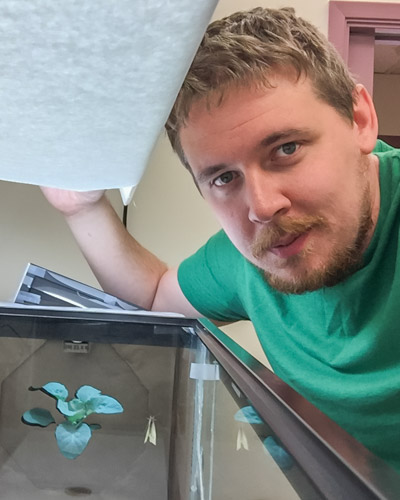
I’m a research scientist at the University of Washington. My research deals with the visual ecology of insects, such as butterflies, mosquitoes and other biting flies.


Find Me On